


Background
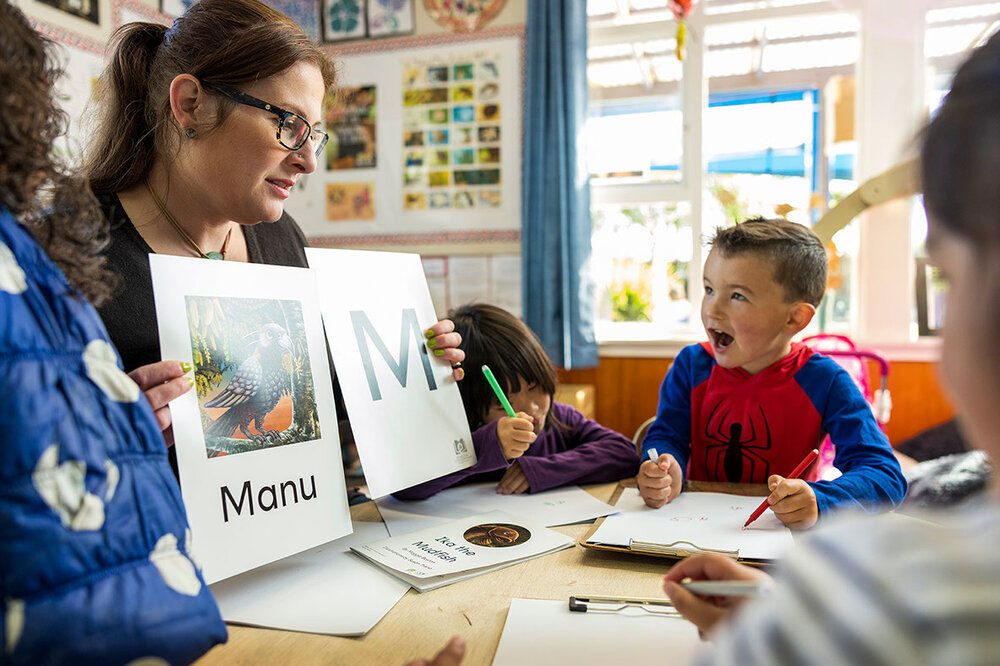
The Better Start Literacy Approach is an example of a structured literacy teaching approach. Professor Gail Gillon and Professor Brigid McNeill led the development of this approach through a series of controlled research trials. This development was supported by a team of researchers and practitioners across the disciplines of education, psychology, speech-language therapy. Leaders in Māori and Pacific education as well as community indigenous (Māori) leaders influenced its development to ensure culturally responsive teaching practices are embedded within the approach.
Data indicating the effectiveness of this approach for children aged 5-7 years led to a national implementation of the approach. A team of researchers and practitioners have contributed to the extension of the approach across the primary school years.

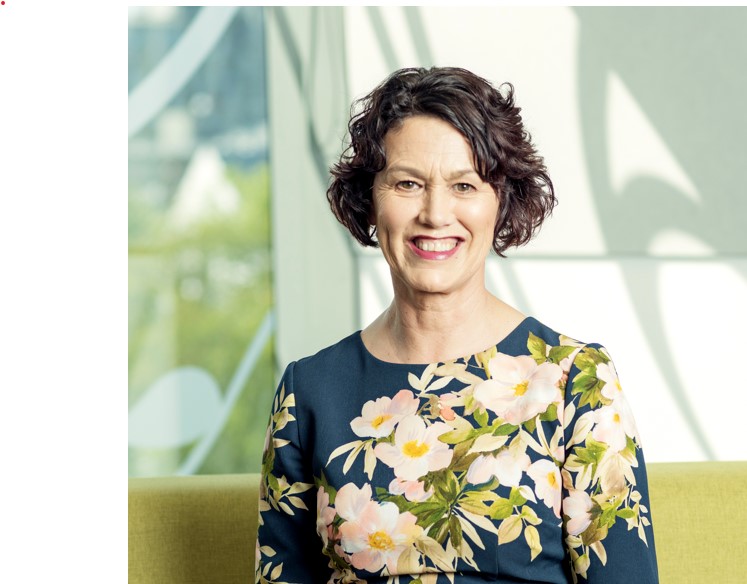
Professor Gail Gillon
Director, Professor of Literacy Research
Professor Gail Gillon, PhD, FRSNZ, FASHA, (Ngāi Tahu iwi) is the founding director of the Child Well-Being Research Institute, University of Canterbury. Prof Gillon is the Director of the national implementation of PLD in BSLA structure literacy teaching for teachers and literacy specialists in Years 0- 8.
Professor Gillon has extensive leadership experience in education. She is the currently New Zealand’s National UNESCO Commissioner for Education and formerly she has held positions as Pro-Vice Chancellor for the College of Education and Dean of Education at the University of Canterbury.
SEE FULL BIO
Strengths-Based
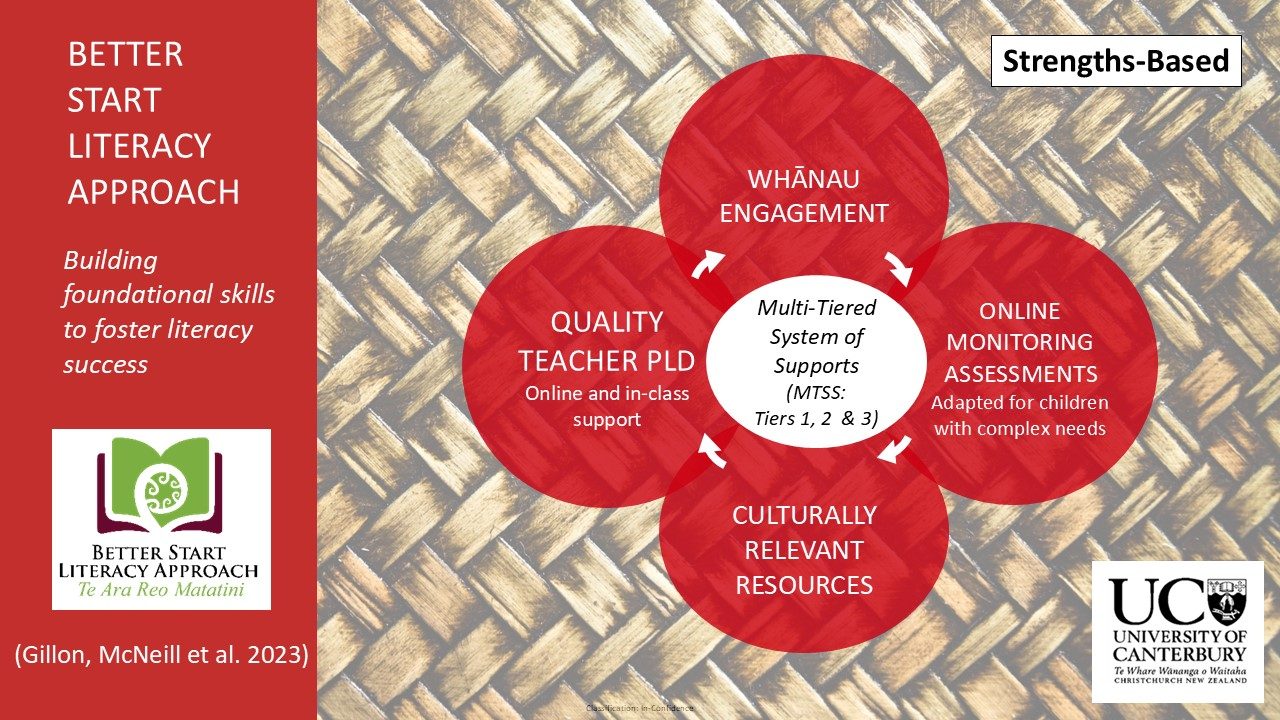
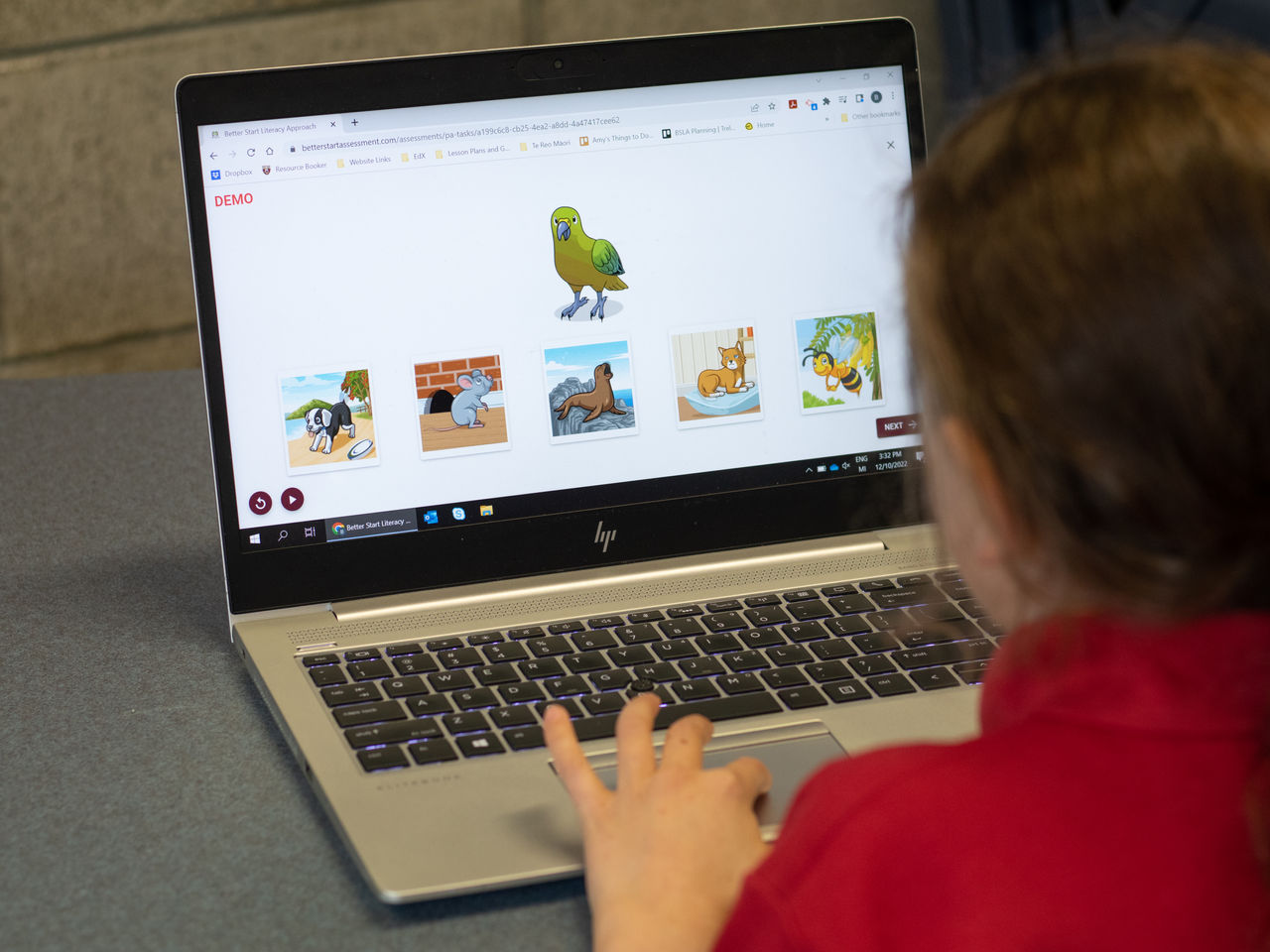
BSLA is a comprehensive approach set within a strengths-based and inclusive framework. It includes novel online monitoring assessments, quality teaching resources, lesson plans and activities, and activities to engage children’s whānau (family) in their children’s learning.
Quality Teaching Resources
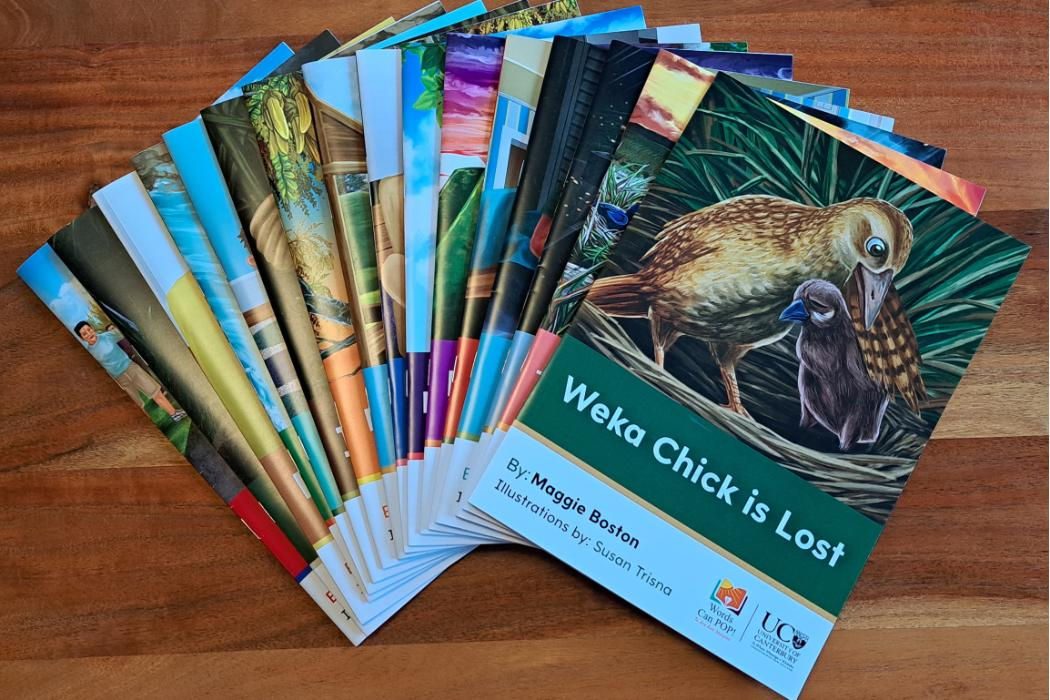
BSLA includes structured and explicit teaching in the areas of oral language, reading and writing. We have developed over 900 lesson plans for teaching children in new entrant classes (e.g., 5-year-olds) through to the end of primary schools years (e.g., 12-year-olds).
We have evidence-based lesson plans to support children who have word reading difficulties such as dyslexia.
We have adapted teaching activities to ensure their suitability for children with complex communication and learning needs.
Our data from thousands of children around New Zealand indicate that our teachers and literacy specialists are successfully implementing BSLA in ways that are accelerating children’s oral language, reading and writing skills.
Key Features
Key features of the Better Start Literacy Approach, its effectiveness and its development are presented by Better Start Literacy Approach developers Professor Gail Gillon and Professor Brigid McNeill in this introductory video (8 minutes). The video focuses on BSLA implemented in the junior schools years (Years 0–3). It was filmed in 2024.
Development
The development of BSLA has been an iterative process. The early controlled research trials proving its effectiveness were from 2015-2019, funded through the Better Start National Science Challenge and the Ministry of Education Early Literacy Initiative.
Lead Researchers: Professor Gail Gillon and Professor Brigid McNeill led the development of BSLA. They were supported from its inception in 2015 by the late Professor Angus Hikairo Macfarlane (Professor of Māori Research).
A large team of people have contributed to its development and national implementation over time including the following:
Researchers: University of Canterbury: Dr Amy Scott, Dr Lisa Furlong, Dr Andy Vosslamber, Associate Professor Alison Arrow, Dr Megan Gath, Dr Mark Lavenia, Dr Jude Bautista, Dr Anne McIntyre. Massey University, Auckland: Associate Professor Sally Clendon. Griffith University, Australia: Associate Professor Marleen Westerveld.
BSLA Educators: Nicole Plummer, Catherine Fairhall, Dr Jo Walker, Amy Fleming, Rachael Roberston, Rebecca Kerr, Rebecca Lindsay Marie Shipston and Kate Cook.
Literacy specialists and class teachers: We acknowledge the helpful feedback from teachers and literacy specialists across the country who have trialled lesson plans during development phases and provided feedback on teaching activities.
BSLA Advisory Group: The BSLA has been supported by an expert Advisory Group. Research and science advice from: Distinguished Professor Bill Tunmer, Distinguished Professor Laura Justice, Professor James Chapman, Professor Ilsa Schwarz. Cultural advice from: Lynne Harata Te Aika (Ngāi Tahu) and Dr Tufulasi Taleni.
-
Our Team
02 October 2026
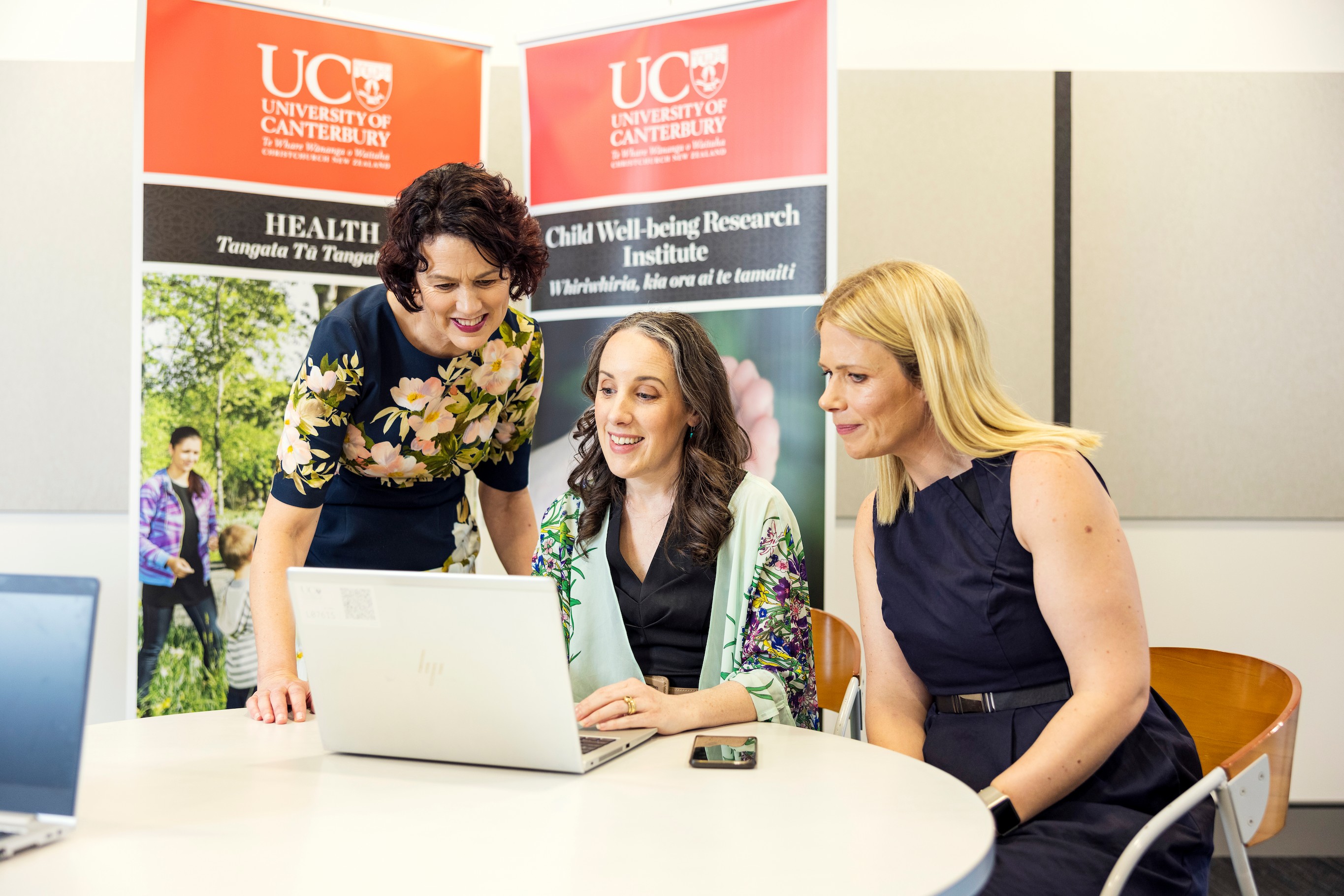
Meet BSLA's experienced team of researchers, advisors and PLD facilitators.
If you would like to get in touch with one of our team, you are welcome to contact us any time:
-
Our Team
Meet BSLA's experienced team of researchers, advisors and PLD facilitators.
If you would like to get in touch with one of our team, you are welcome to contact us any time:
-

Our Team
-
Our Team
Meet BSLA's experienced team of researchers, advisors and PLD facilitators.
If you would like to get in touch with one of our team, you are welcome to contact us any time:
-
Our Partners
10 November 2025
The Better Start Literacy Approach partners with a number of research funders and community stakeholders.

-
Our Partners
The Better Start Literacy Approach partners with a number of research funders and community stakeholders.
-
Our Partners
-
Our Partners
The Better Start Literacy Approach partners with a number of research funders and community stakeholders.
-
BSLA Profiles
25 February 2025
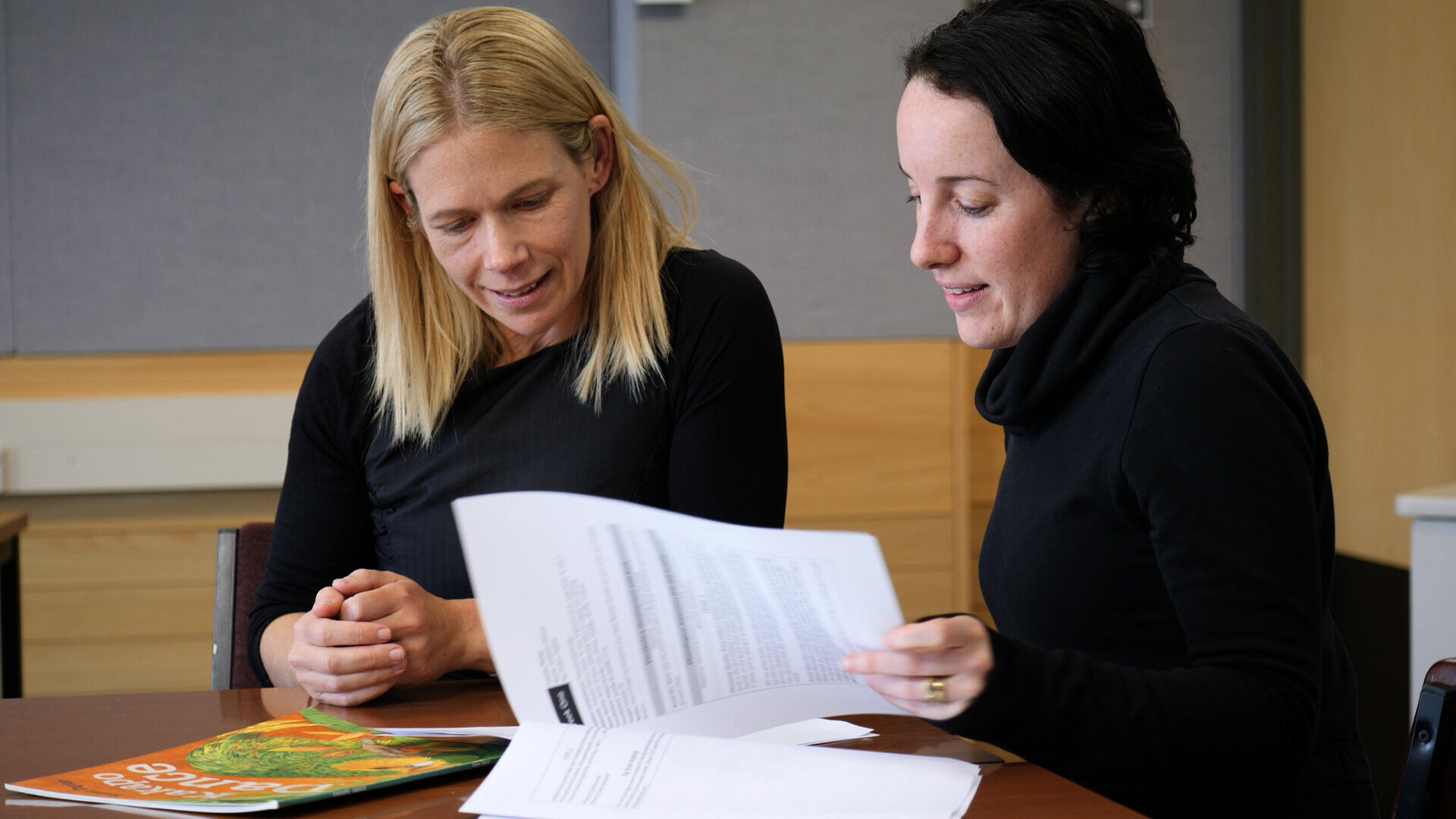
Meet some of our BSLA facilitators, working around Aotearoa to support teachers to implement the BSLA in their classrooms.
-
BSLA Profiles
Meet some of our BSLA facilitators, working around Aotearoa to support teachers to implement the BSLA in their classrooms.
-
BSLA Profiles
-
BSLA Profiles
Meet some of our BSLA facilitators, working around Aotearoa to support teachers to implement the BSLA in their classrooms.
-
Our Research
28 September 2026
This page hosts the research arising from our Better Start Literacy Approach. The BSLA team have undertaken years of research trials investigating the most efficient, effective methods to support success in children’s reading, spelling, writing, and oral language development.
For more information or media enquires please get in touch:
-
Our Research
This page hosts the research arising from our Better Start Literacy Approach. The BSLA team have undertaken years of research trials investigating the most efficient, effective methods to support success in children’s reading, spelling, writing, and oral language development.
For more information or media enquires please get in touch:
-
Our Research
-
Our Research
This page hosts the research arising from our Better Start Literacy Approach. The BSLA team have undertaken years of research trials investigating the most efficient, effective methods to support success in children’s reading, spelling, writing, and oral language development.
For more information or media enquires please get in touch: